
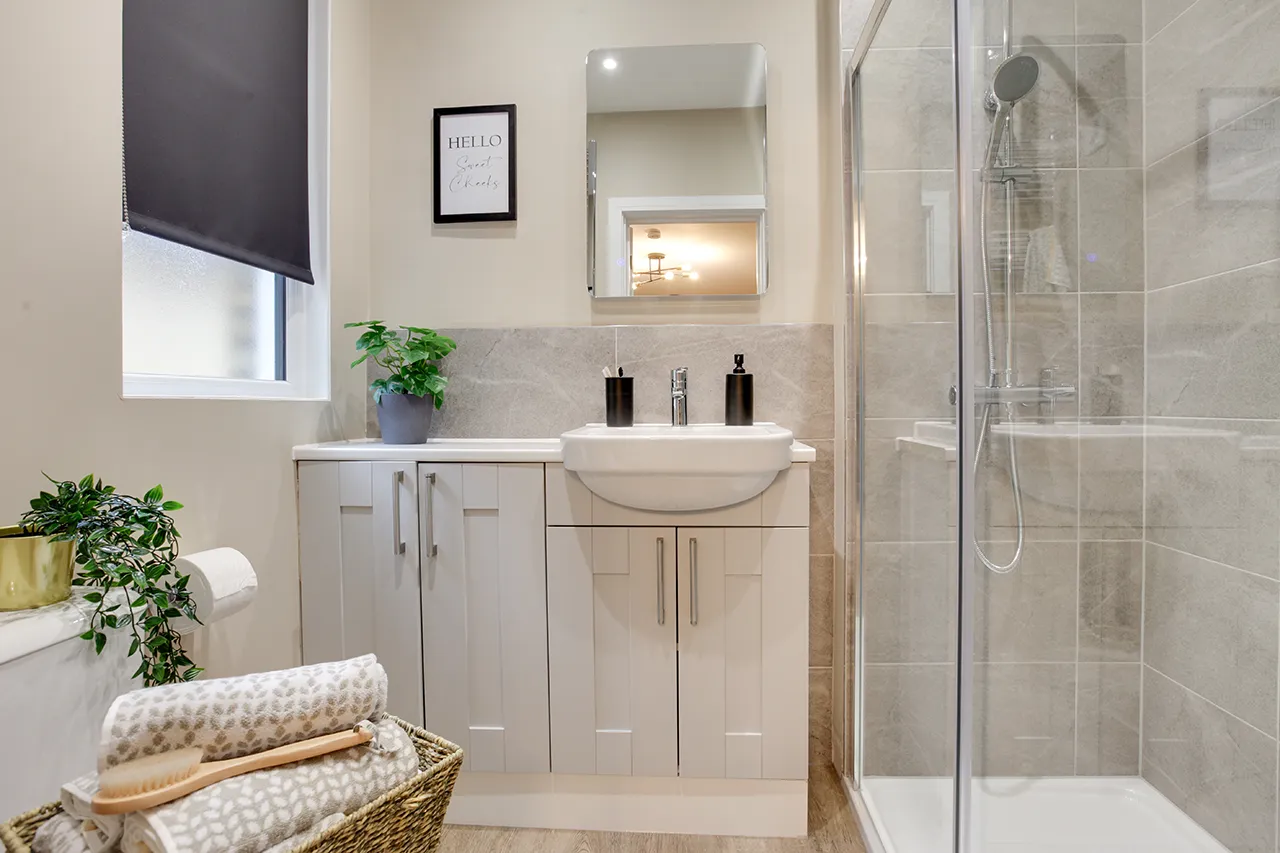
When it comes to building successful HMOs in Kent, not every property is cut out for the job.
The right property can mean the difference between a solid investment that practically runs itself and a headache that drains your time and energy. After bringing over 100 rooms to market in the last 3 years and earning multiple award nominations for our projects, we’ve learned what works—and what doesn’t.
If you’re serious about HMO investment in Kent, here’s the breakdown of what we look for, and what has brought us and our clients success, with insights from our own projects and the strategies we’ve refined over the decade we’ve been in the HMO space.
Short Answer:
As a rule of thumb, we now look for large 4-5 bedroom Victorian end-terrace properties, with some kind of side access to the garden at the rear. A high ridge height in the loft to allow a 2.2m+ finished room height and a basement with some depth to it are also on the list. If we’re clever, we can raise the ground floor joists above the cellar to improve head height in the basement if it needs it, rather than dig down (underpinning… yuck). This gives space typically for 8-10 bedrooms and a large communal area, which is a predictable process we’ve systematised. It offers a good balance between investment returns and planning application risk.
But if you want more detail, here it is.
Size Matters: Bigger is Better
If you’re aiming for profitability, size is critical. The sweet spot in 2025 for HMOs in Kent is 8–10 bedrooms, as this allows you to make the most of a refinance based on a commercial valuation and unlock far better returns. Smaller 3-bed houses might seem like a good deal, they’re cheaper to buy, but space is limited, and once converted into 6-bedroom HMOs (the maximum they can go, really), they often struggle with cash flow, mostly due to mortgage rates and bills.
They also tend to have higher void periods because tenants feel crammed in, and the rents aren’t high enough to make it worthwhile. We’ve learned this the hard way early on and now target larger properties. For example, one of our award-nominated Maidstone HMO projects involved converting a Victorian terrace into a 9-bedroom HMO, where the gross rent was £90k a year with strong returns. That’s the kind of result to aim for in Kent. 6 Beds work better in other areas of the UK where the purchase price is a lot lower.
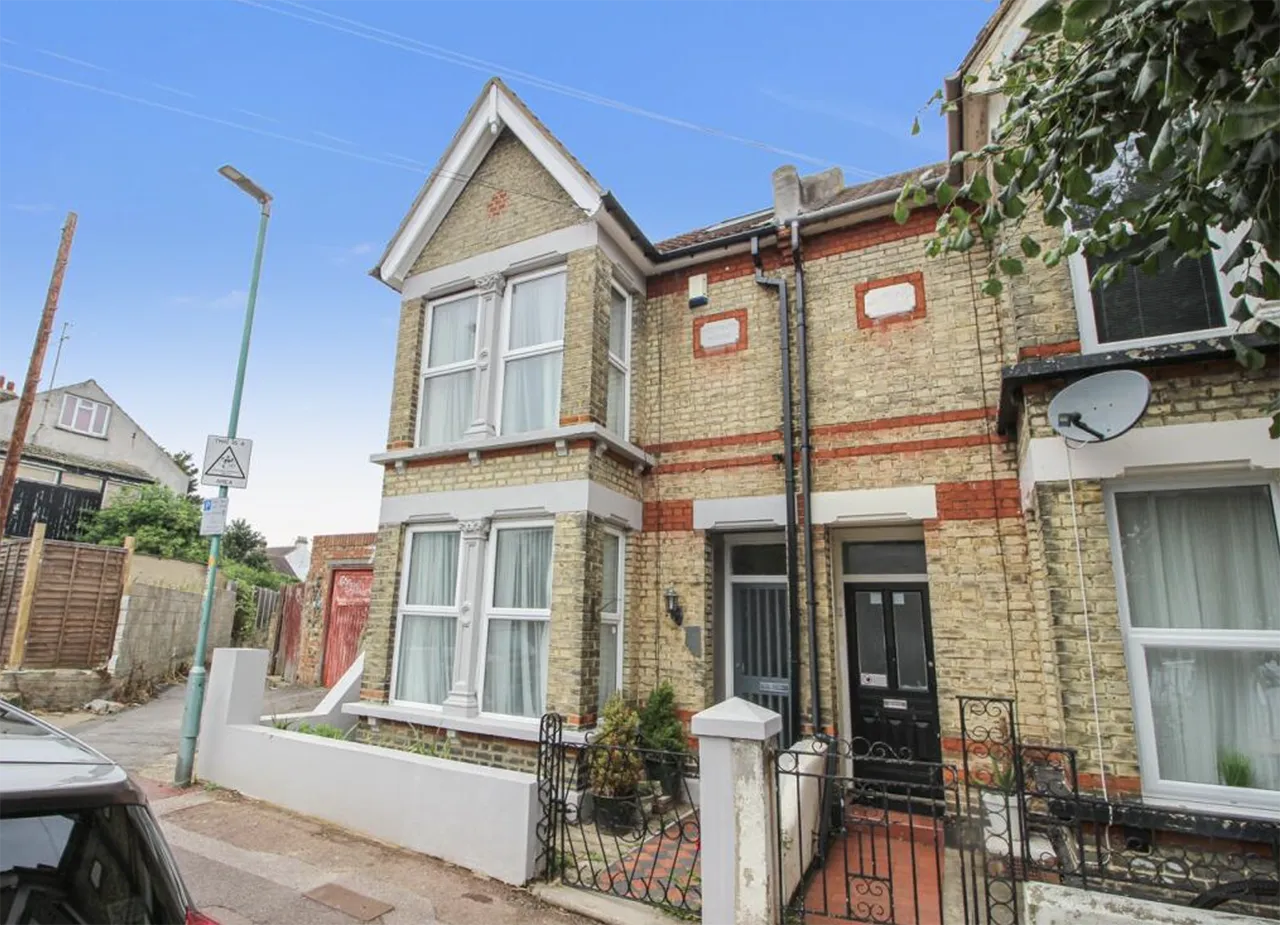
End Terraces Are Ideal
End-terrace properties are our go-to, and here’s why: side access. Town Planners love to see it on an application. It’s the easiest way to solve the perennial bin storage and bike storage problems, and it adds a lot of flexibility to the scheme. Committees and town planners will throw your scheme out in a heartbeat if you don’t have a good bin solution, especially if a basement lightwell at the front leaves no room for them and you have a small frontage. With side access, bins can stay neatly tucked away out back, keeping everyone happy. It matters.
If you’re seeking HMO planning permission in Kent, please don’t underestimate the importance of these seemingly minor details, they can make or break a project. A perfect project, with no real solution for bins other than to have them all on the properties frontage, may mean a rejection, and if it’s a new HMO conversion, you might be stuck with an 8 bedroom property with 6 tenants…or even 2 if you’re really unlucky.
Think Vertical: Loft Extensions Are Key
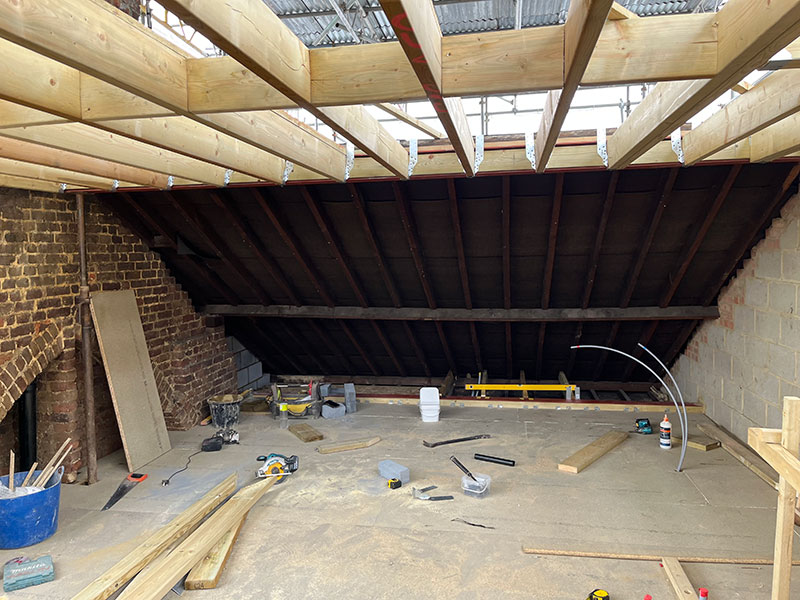
If you’re looking to maximise the number of bedrooms, a double dormer loft extension is almost non-negotiable. It’s not just about adding space, it’s about adding value. For example, in Maidstone, a single room can add £100,000+ to your commercial valuation. Multiply that by three loft rooms, and you can see why we always look for properties with high ridge heights that allow us to build upwards and make the most of the space for tenants.
For one of our standout HMO projects in Maidstone, the loft extension added three en-suite rooms, pushing the property to 10 bedrooms and creating strong investment returns around 40%, leaving only £80k in the deal after refinance. May sound crude to talk numbers on a blog post, but it’s there to inform rather than to boast. HMO is great when it’s delivered through a careful process. Yes, it’s a higher upfront cost, but the value far outweighs the build costs when you’re refinancing based on gross rent.
Urban Areas Near Town Centres
Professional tenants want convenience, and urban areas near town centres are where the best-performing HMOs in Kent thrive. Properties close to transport links, shops, and employment hubs in towns like Maidstone, Medway, or Canterbury are magnets for demand. Young professionals need to be close to work, as many don’t drive like families do. Central locations mean fewer void periods and the ability to deliver a quality product as there will be demand for it from tenants, which is essential when targeting the high end of the market.
If you’re targeting professional HMO tenants in Maidstone, focusing on properties near town centres will ensure strong tenant demand and long-term viability.
Commercial Conversions: Higher Potential gains, but Higher Planning Risk
Converting commercial properties into HMOs is one of the most exciting opportunities out there, especially for those looking to scale. These properties often come with larger footprints at a lower price per square foot, making them perfect for large HMOs with excellent returns. There’s also something really fulfilling about taking something that has been empty for a decade and turning it into something useful for the community that helps ease the housing crisis burden on young people and give them somewhere awesome to live. Normally get some parking too which helps with a planning app.
However, there’s a catch: planning risk. Change of use planning permissions can be tricky. That said, if you’re willing to navigate the process carefully (and with the right HMO consultant in Kent), the rewards can be substantial.
When we took an old office building in Gravesend and achieved planning on a 10-bedroom HMO, the planners threw the book at the scheme. Ultimately, it was successful because we had the right planning strategy and paperwork in place, and we demonstrated that care and thought had gone into fire safety. The payoff was enormous, thanks to careful planning and execution and despite pushback and some stress, there’s a great scheme underway there now with solid numbers and a happy investor.
Width Is Just as Important as Length
When looking at Victorian terraces, we now set a 5-metre width as our minimum standard for HMOs. Narrower houses can work, especially for single lets and smaller HMOs, but they’re far from ideal for larger HMOs (7 people and above) that deliver strong returns (30% and above).
With smaller properties, you’ll often end up struggling to meet minimum room sizes, layouts can feel cramped or oddly shaped, and the build costs, particularly with today’s 2025 build prices can feel a bit high for the cashflow at the end. This is where HMO property advice in Kent from an experienced investor in the space can help you make informed decisions…preferrably before you buy.
In contrast, one of our Maidstone projects with a wider, more generous layout allowed us to create spacious en-suite rooms that tenants were happy to pay top-of-market rents as they saw the value. 8.6% above market. It’s a clear example of how the right property can make all the difference, not just for your tenants but for your returns too. Property Investing allows a win-win when we choose the battles worth fighting and are aligned properly to a goal.
Some More Insights
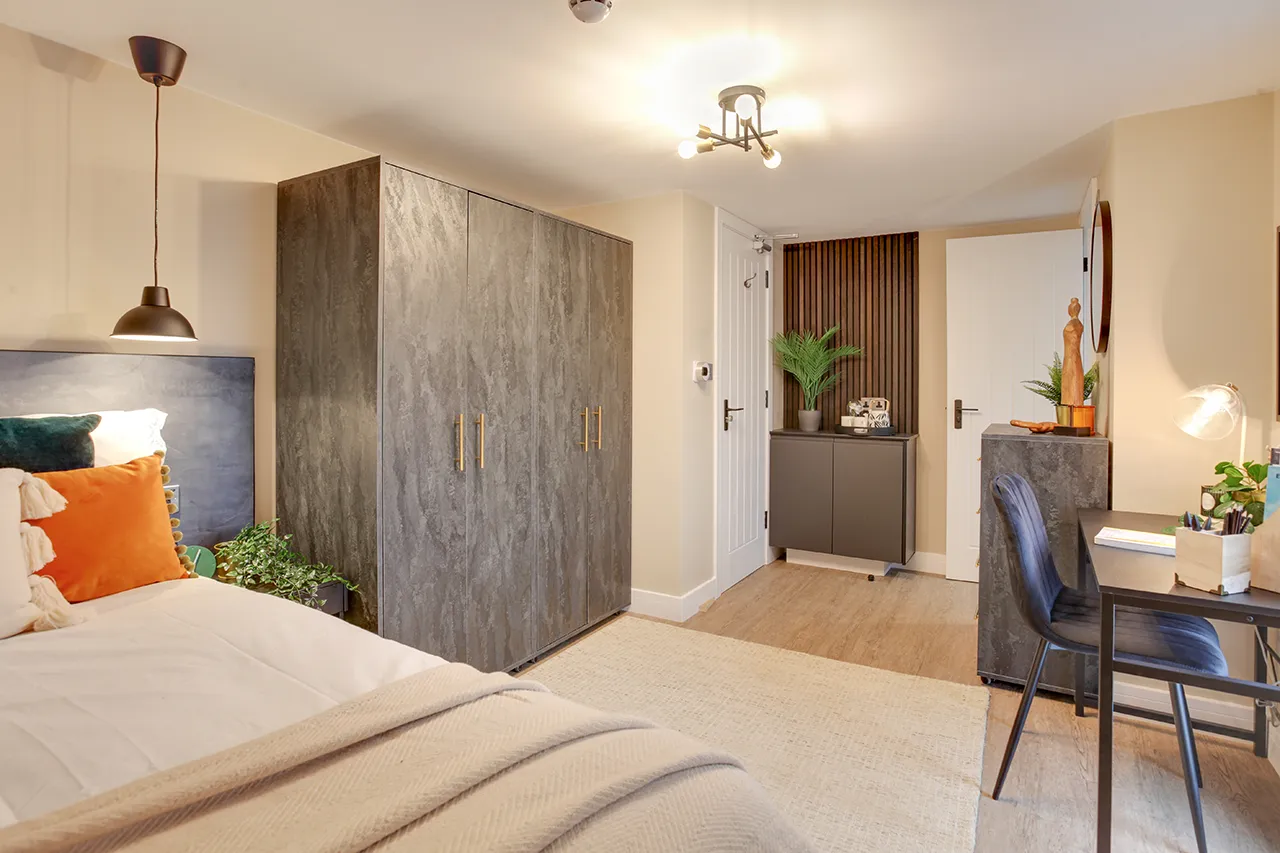
To help us plan projects in the design phase, and to help tenants visualise the space once the project is complete, we always use Matterport virtual tours. 3D digital twins of the property that can be used to create scale models, floorplans, and move walls around where we need them in the early stages to see if a project will work.
They help us communicate with the builders and architects remotely during the design phase, and let potential tenants explore the property another time after their viewing once it’s complete. This not only increases interest but also ensures our properties stand out in a competitive HMO market in Kent, now and into the future.
Wrapping It All Up
The best HMOs in Kent are large, well-located, and designed with tenant needs in mind. Ensuites are a must have. Whether you’re converting a Victorian terrace or tackling a commercial project like a disused office block, the key is to think about attracting and keeping good tenants long term, and your exit financing as much as the upfront costs. A tricky balance, but one we’ve taken great pains to solve in out process.
Focus on the details that matter to town planners, building control, and tenants, and you’ll be rewarded with properties that deliver consistent returns.
And always buy in a limited company. 1 HMO could put you into the top tax bracket (yes, the £125k one), so most youtube videos on ‘should i buy in my personal name or a limited company’ won’t cover this level of income from 1 property. Different kettle of fish. There’s some videos on our Instagram that break it down for HMO investors a little more clearly should you want to see more.
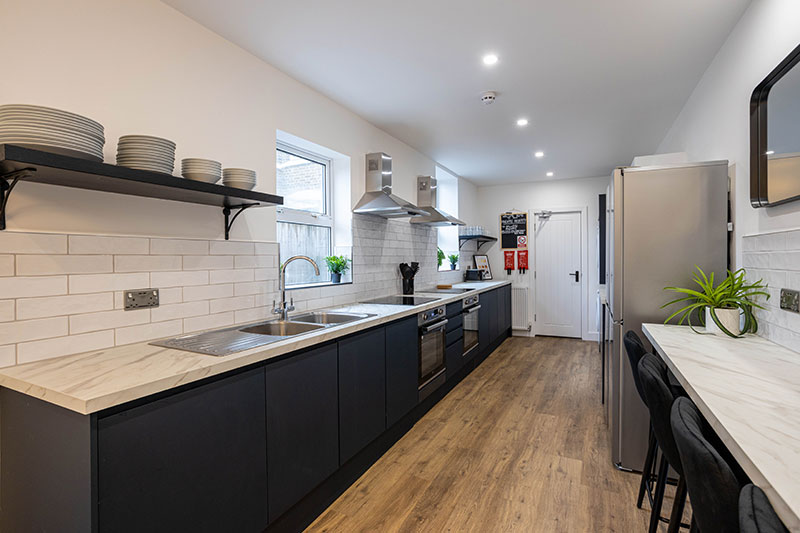
Want to See What Works?
If you’re serious about HMO investing in Kent, we’ve put together four detailed valuation packs to help you, from some of our own award nominated projects in Kent. These packs cover everything:
- Purchase prices
- Build costs
- Original rents achieved
- Commercial valuations
- Before-and-after photos
- Full ROI breakdowns
It’s a behind-the-scenes look at what it takes to create high-performing HMOs, and the financial impact they have. These projects earned us four award nominations and are a perfect example of how the right property and strategy can deliver incredible results.
If you’re based in Kent, you may even have driven past them! We’d be happy to send you the virtual tours too if you want to take a look.
Information on how to get access to the valuation packs is below.
Let’s help you unlock the full potential of Kent’s HMO market.
