

The regulatory landscape for HMO investing in Kent is evolving, and landlords in Maidstone need to stay ahead of these changes to ensure compliance and long-term investment success.
Maidstone Borough Council has introduced a new Supplementary Planning Document (SPD), which will significantly impact how HMOs are developed and managed in the borough.
This blog explores what the SPD entails, how it affects HMO planning applications, and the key considerations for landlords looking to avoid planning pitfalls.
What is the HMO SPD and Why Does It Matter?
A Supplementary Planning Document (SPD) expands upon existing local policies, offering detailed guidance on specific types of development—in this case, Houses in Multiple Occupation (HMOs). While the SPD does not introduce new laws, it acts as a material consideration in planning decisions, meaning councils will refer to it when assessing HMO proposals.
For landlords, understanding this document is crucial, as it provides clarity on planning permission requirements, acceptable property standards, and ways to mitigate negative impacts on local communities.

Key Areas Covered in Maidstone’s HMO SPD
The SPD aims to ensure that HMOs are well-designed, well-managed, and integrated into Maidstone’s housing landscape without causing undue strain on infrastructure or neighbouring properties. Some of the most relevant topics include:
1. When Planning Permission is Required
- The SPD is not an Article 4 Direction, so Small HMOs (3–6 occupants) still enjoy permitted development (PD) rights under Use Class C4, meaning they do not need planning permission.
- Large HMOs (7+ occupants) classified as Sui Generis must obtain planning permission before operation. This is where planners will seek guidance from the SPD to assess applications and ensure compliance with local standards.
2. HMO Concentration Rules: What’s the Standard?
The SPD highlights concerns about harmful concentrations of HMOs but does not yet confirm a definitive threshold for assessing over-saturation.
- The document suggests a fixed-radius method for evaluation, with a 100-metre radius being one of the approaches considered.
- Other potential assessment methods, such as street-based or ward-wide analysis, were explored, but the final measurement criteria remain undetermined.
- Landlords looking to invest in HMOs should expect some form of density control, though exact calculations are still being finalised.
Since the SPD is now progressing toward implementation, landlords should monitor how the final version defines concentration limits, as this could influence future approvals and investment strategies.
3. The ‘HMO Sandwich’ Rule
The SPD outlines restrictions on HMO placement to prevent residential properties from being sandwiched between multiple HMOs.
- If up to three residential properties (Use Class C3) are positioned between two HMOs, the council may reject additional HMO applications to prevent clustering.
- The rule also applies where a single C3 dwelling is sandwiched between two HMOs to the opposite and rear.
This policy aims to preserve diversity in housing stock and prevent concentrated shared housing that could disrupt neighbourhood dynamics.
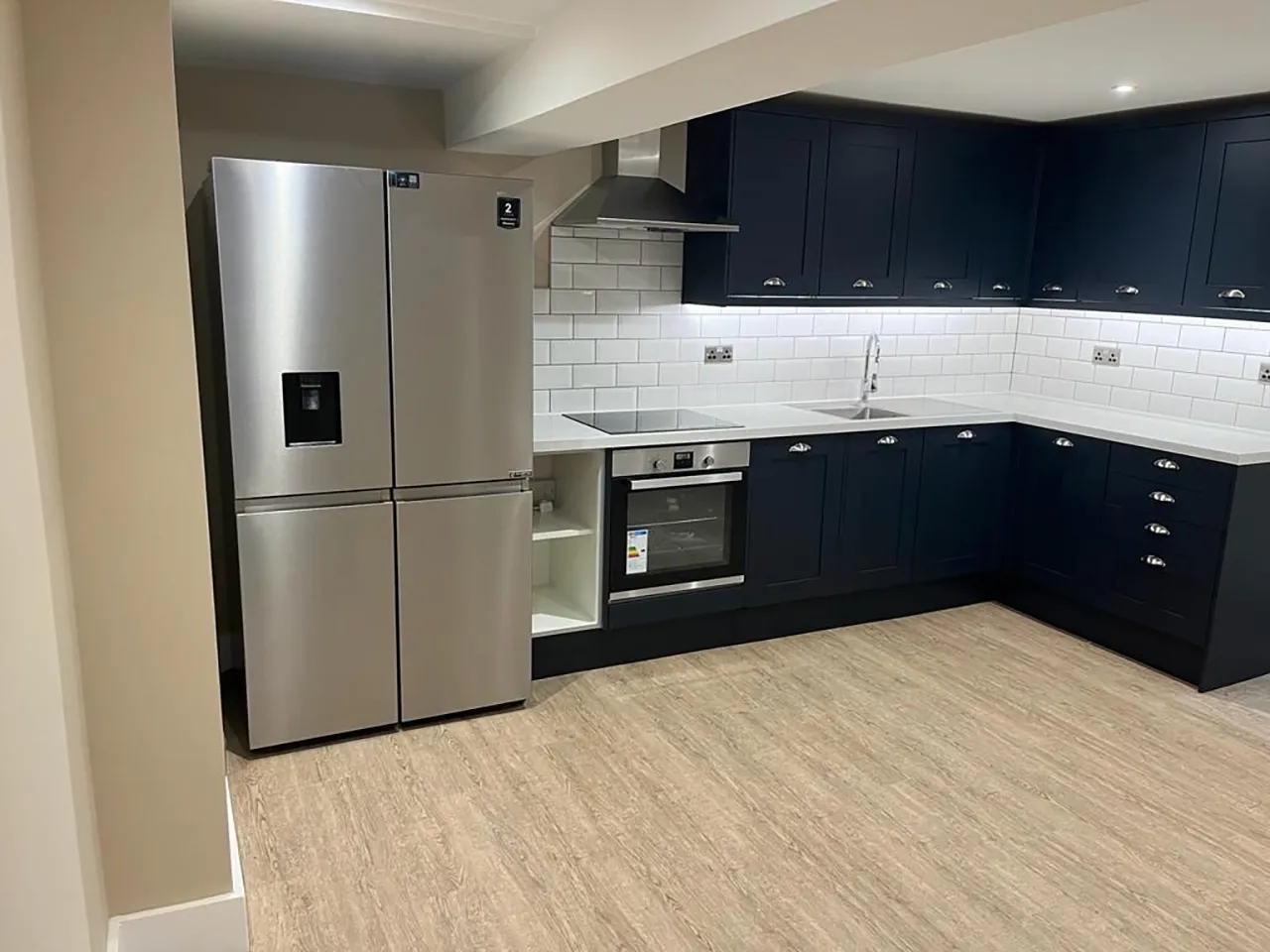
4. Minimum Room Sizes: A Shift in Flexibility?
Previously, Maidstone Borough Council’s (MBC) licensing standards allowed for some flexibility in room sizes, meaning rooms smaller than the guideline sizes could be accepted if sufficient communal space was provided.
However, with the new SPD bringing these standards into the planning process, this flexibility may no longer apply to new HMOs requiring planning approval.
- Bedrooms must meet minimum size requirements (e.g., 9m² for a single occupant, 14m² for two).
- Adequate natural light must be provided—basement rooms or those with limited window access may require design modifications.
- Communal areas alone may not justify smaller bedrooms, meaning some HMO proposals could now face stricter planning scrutiny than before.
Landlords should carefully consider whether their HMO layouts align with both planning and licensing expectations, as future conversions may be held to more rigid design standards.
5. Parking and Waste Management Considerations
Parking requirements for HMOs remain undefined in Maidstone, as there is currently no formal policy addressing them. However, the SPD discusses the possibility of applying the one-bedroom flat standard to HMOs, which could mean requiring one parking space per HMO room in future assessments. While applications cannot currently be rejected solely on parking grounds, landlords should be aware that this approach may be adopted as the SPD takes effect, potentially influencing planning decisions going forward.
Waste management is another key consideration, as improper disposal can negatively impact local streets. Well-managed HMOs prioritise clear waste policies and proactive compliance, ensuring properties remain clean and integrated within the community.

Final Thoughts: Pineapple Living’s Perspective
At Pineapple Living, we believe that a well-regulated HMO sector benefits both landlords and tenants, ensuring that shared housing remains a viable, high-quality option in Maidstone. While new planning constraints may introduce challenges, they also set clear expectations, creating a more structured environment for HMO development.
What we thought…
- Despite concerns raised over parking pressures, HMOs in controlled zones are already capped at the same permit allocation as single dwellings (C3 use class). This means objections based on parking demand feel like an unfair jab at HMOs rather than a legitimate issue—something Pineapple Living actively pushed back on during consultation. With the system essentially self-policing itself, tighter parking assessments for large HMOs seem unnecessary and risk reinforcing misconceptions rather than addressing genuine planning challenges.
- HMO concentration thresholds remain uncertain, but the SPD suggests that areas with high densities of HMOs may face restrictions. The final criteria for assessing over-saturation are still being finalised, meaning HMO investors in Maidstone need to keep a watchful eye on this.
Now that the consultation period has ended, landlords should focus on adapting to the upcoming changes and ensuring their properties align with the final SPD. While the opportunity for formal feedback has passed, staying informed and proactive will be key to navigating Maidstone’s evolving regulations for HMO.
The SPD is expected to be formally adopted later this year, meaning HMO Investors should begin assessing its impact and making necessary adjustments now to avoid future compliance issues and disappointing planning results.
And here’s the rant…
Many of the concerns surrounding HMOs—such as anti-social behaviour and property standards—stem from absent landlords or poor management rather than the nature of HMOs themselves. Well-run HMOs provide safe, high-quality housing, offering an important stepping stone for young and ambitious people finding their feet in a new area.
Unfortunately, negative media and resident complaints often target HMOs as a whole rather than focusing on the real issue—badly run properties. Responsible landlords create well-managed HMOs that contribute positively to communities and should be recognised for the role they play in housing people who are building their futures.
Join Our FREE Community: Kent HMO Alliance
Want to stay ahead of changes in Maidstone’s HMO regulations and connect with other landlords? Join our FREE Community – Kent HMO Alliance, where we share insights, updates, and bucket loads of free resources to help you build a successful HMO portfolio.
Sign up here: FREE Community – Kent HMO Alliance
