
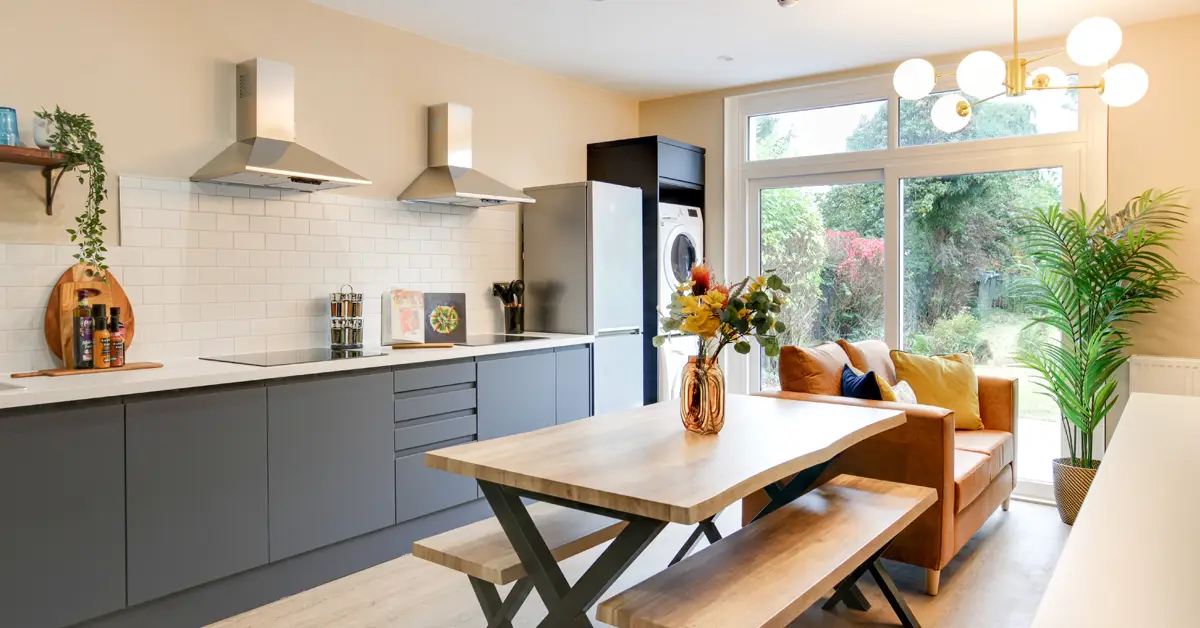
Managing a House in Multiple Occupation (HMO) in Kent isn’t just about meeting licensing requirements — it’s about staying ahead of issues before they arise.
At Pineapple Living, we’ve built our reputation on proactive management, detailed record-keeping, and a visible presence that transforms both tenant experience and long-term property value.
Whether you’re running a single property or a full portfolio, knowing how — and how often — to inspect is critical. Here’s our guidance, based on real experience in the field.
Suggested Inspection Intervals from Pineapple Living
As specialists in HMO management across Kent, Pineapple Living recommends the following inspection rhythm:
Communal Areas – Weekly
- Kitchens, hallways, shared bathrooms and lounges should be checked once a week.
- No notice required, so regular inspections are simple and effective.
- We use checklists and photo logs to record conditions — capturing signs of wear, hygiene concerns or compliance issues early.

Bedrooms – Quarterly
- Private rooms should be inspected every 3 months, always with at least 24 hours’ written notice.
- These checks help spot maintenance needs, fire safety breaches, and potential behavioural concerns — respectfully and professionally.
Fire Safety Systems – Check Your Setup First
- Your inspection regime depends on the fire system installed:
- LD1 systems (which have detectors in all rooms, including circulation spaces) require weekly testing of the fire panel, with results formally recorded.
- LD2 systems (coverage limited to escape routes and high-risk rooms) might have a different schedule — consult your fire risk assessment to confirm.
Fire Alarm Testing: Check What You’ve Got First
Before setting your inspection schedule, it’s important to understand what kind of fire alarm system is installed in your HMO:
- If your property has a central fire panel, (LD1 systems) weekly testing is usually required. This means checking one detector or call point each week and keeping a written log of the results.
- If there’s no fire panel, (LD2 systems) and your alarms are the mains-powered, interlinked type found in most standard setups, then monthly testing is the usual approach. Just press the test button on a different alarm each time and jot down that it was done.
Either way, keeping a simple record is key — you don’t need fancy software, just something clear you can refer back to if you’re ever asked.
- Maintaining reliable records isn’t just best practice — it’s essential for compliance and audit readiness.
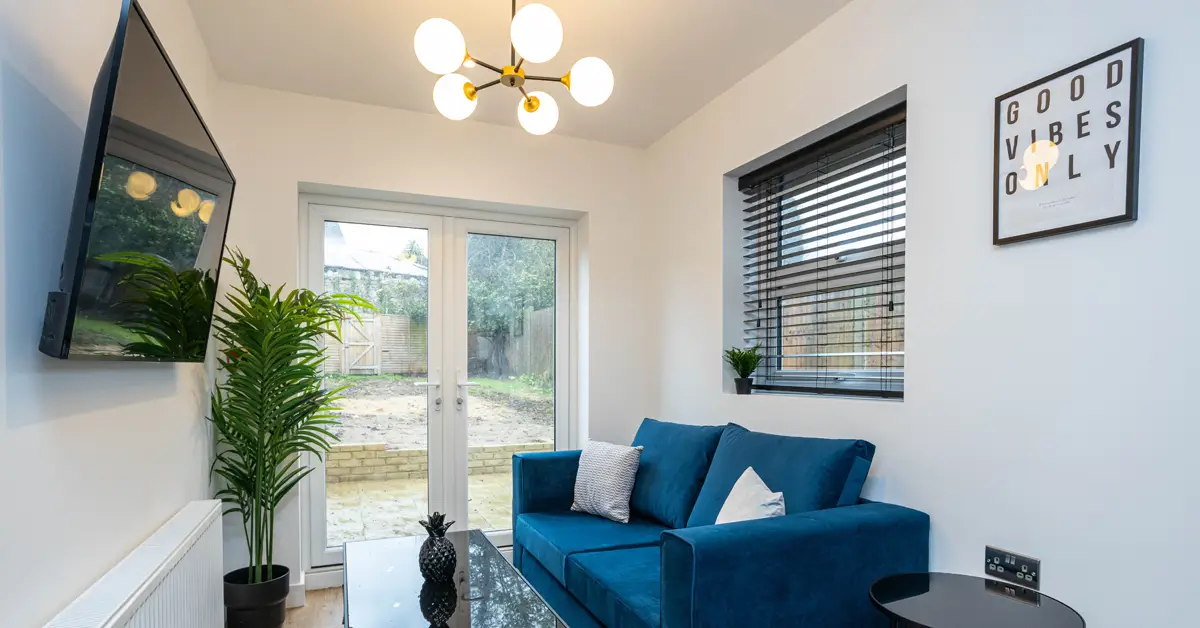
Record Everything — You Never Know When You’ll Need It
Whether you use a purpose-built app or a simple spreadsheet, what matters is that you log inspections reliably.
You don’t need elaborate software to get this right. A digital folder of dated photos, notes, and follow-up actions can be just as effective. From licensing checks to tenant disputes, solid records are your best defence.
Why Recording Conditions Matters
Frequent inspections are powerful — but only if you act on what you see
Pineapple Living’s Method:
- Track conditions using templates and walkthrough notes.
- Photograph communal areas to monitor change over time.
- Raise issues quickly — whether it’s maintenance faults, misuse of space, or tenant conduct.
This routine helps us resolve things before they turn into disputes or expensive repairs.

Case Study: Rescuing a Forgotten HMO
We recently took over a Kent HMO from an absent landlord who hadn’t visited the property in months. On our first inspection, we discovered that one tenant had turned the rear garden into a carpentry workshop for his business — power tools, timber piles, sawdust, and all.
It wasn’t just unsightly — it posed safety risks, and it blocked access to a shared space meant for everyone.
Our Response:
- Logged the issue with photos and inspection notes.
- Provided support to the tenant and worked constructively to clear the area and return it to communal use.
- Added new house rules for external areas and increased inspection frequency.
It’s now one of the cleaner, better-performing properties in the portfolio — and a great example of the difference on-the-ground management can make.
Kent’s HMO Landscape: Why Proactive Management Pays Off
While local enforcement varies, Kent councils continue to monitor HMO standards closely — especially around licensing conditions, waste management, and fire safety. Staying compliant isn’t about responding to crackdowns; it’s about being ready if a spot check, complaint, or audit occurs.
Regular inspections and clear records make sure you’re covered.
Tips to Match Pineapple Living’s Standards
- Use inspection checklists to stay consistent — even simple ones will do.
- Always give 24-hour written notice before room entry.
- Photograph changes in condition to track trends and justify action.
- Follow up immediately on maintenance and behavioural concerns.
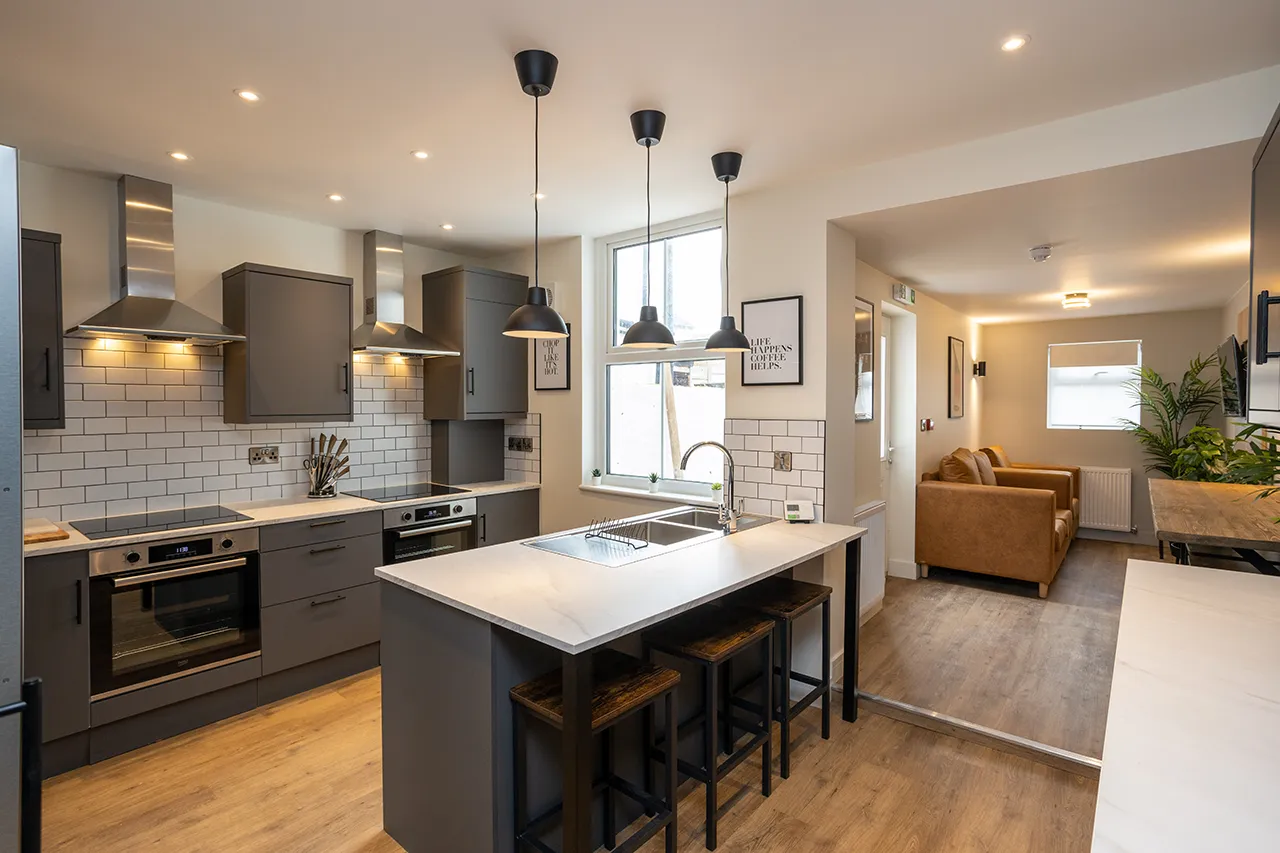
Let’s Keep Standards High
At Pineapple Living, we don’t wait for problems to appear — we find them early and fix them fast. If you’re looking to raise your game in Kent’s HMO market, our systems and boots-on-the-ground approach are here to support you.
Want help managing your own HMO portfolio? Visit our Pineapple Living page or reach out — we’re happy to guide you toward smarter, safer, more profitable property management.
