

Managing tenant disputes is a critical yet often overlooked aspect of property management, especially for HMO (House in Multiple Occupation) and single-let landlords in Kent.
Disputes can range from minor issues, like disagreements over shared kitchen space and who left crumbs on the worktop again, to more serious problems such as rent arrears, property damage, or conflicts with neighbours.
These disputes not only cause stress but can also affect the profitability of your investment through tenant change overs and voids.
In this guide, we’ll share practical tips on how to prevent and resolve tenant disputes effectively, ensuring smooth operations for your rental property in Kent’s competitive market.

Prevention is Key: Start with Thorough Tenant Vetting
Preventing tenant disputes begins with careful screening. The initial tenant selection process is crucial for fostering a positive and harmonious living environment, particularly in HMOs where tenant interaction is frequent.
Steps to follow during the vetting process:
- Assessing Applicant Behaviour: Observe how potential tenants behave during the viewing. Are they respectful and cooperative, or do they seem demanding or dismissive? Their demeanour at this stage can provide important clues about how they will interact with others in the property.
- Background and Reference Checks: Always request a rental history reference from their previous landlord. This gives you insight into their past behaviour and whether they fulfilled their responsibilities.
- Credit and Income Verification: Conduct a thorough credit check and verify their income by requesting payslips or bank statements. Tenants should ideally earn three times the rent to ensure they can manage the payments.
Although this process might seem time-consuming, it can save you considerable time and effort in the long run by preventing problems before they even start.

Communication is Key in Preventing Tenant Disputes
Once your tenants are in place, maintaining clear and consistent communication is essential for a peaceful tenancy. Tenants must know exactly how to reach you if there’s an issue, and you should respond promptly to any concerns they raise.
For instance, in one of our managed properties in Maidstone, Kent, a tenant reported a heating issue in the communal area. An engineer attended the property the next day, but the issue couldn’t be resolved for another two days as a part was needed for the zonal control system.
During this time, we informed all tenants about the issue and asked for their patience. This proactive communication reassured tenants that the property was being managed properly and their concerns were being heard.
Effective communication can significantly alter the outcome of such situations. Instead of feeling neglected, which can easily escalate into a dispute, tenants felt valued and informed.
Failing to communicate can lead to tenants feeling ignored or undervalued, which can often snowball into bigger issues. Keeping open lines of communication makes it far easier to address problems before they become significant.

Managing Disputes Between Tenants in Shared Houses
In multi-tenant properties like HMOs, disputes between tenants are more common, so it’s crucial to address these swiftly to maintain a peaceful environment. Compatibility is key—during the vetting process, consider whether new tenants will mesh well with the existing group.
When conflicts arise between tenants, encourage them to resolve the issue independently first. If they are unable to do so, step in to mediate. Talk to each tenant involved and ensure they understand the importance of mutual respect.
It’s essential to communicate to any tenant involved in the conflict that continued disruptive behaviour may result in eviction. Keeping all tenants informed that you are actively addressing the situation shows fairness and commitment to creating a respectful environment.
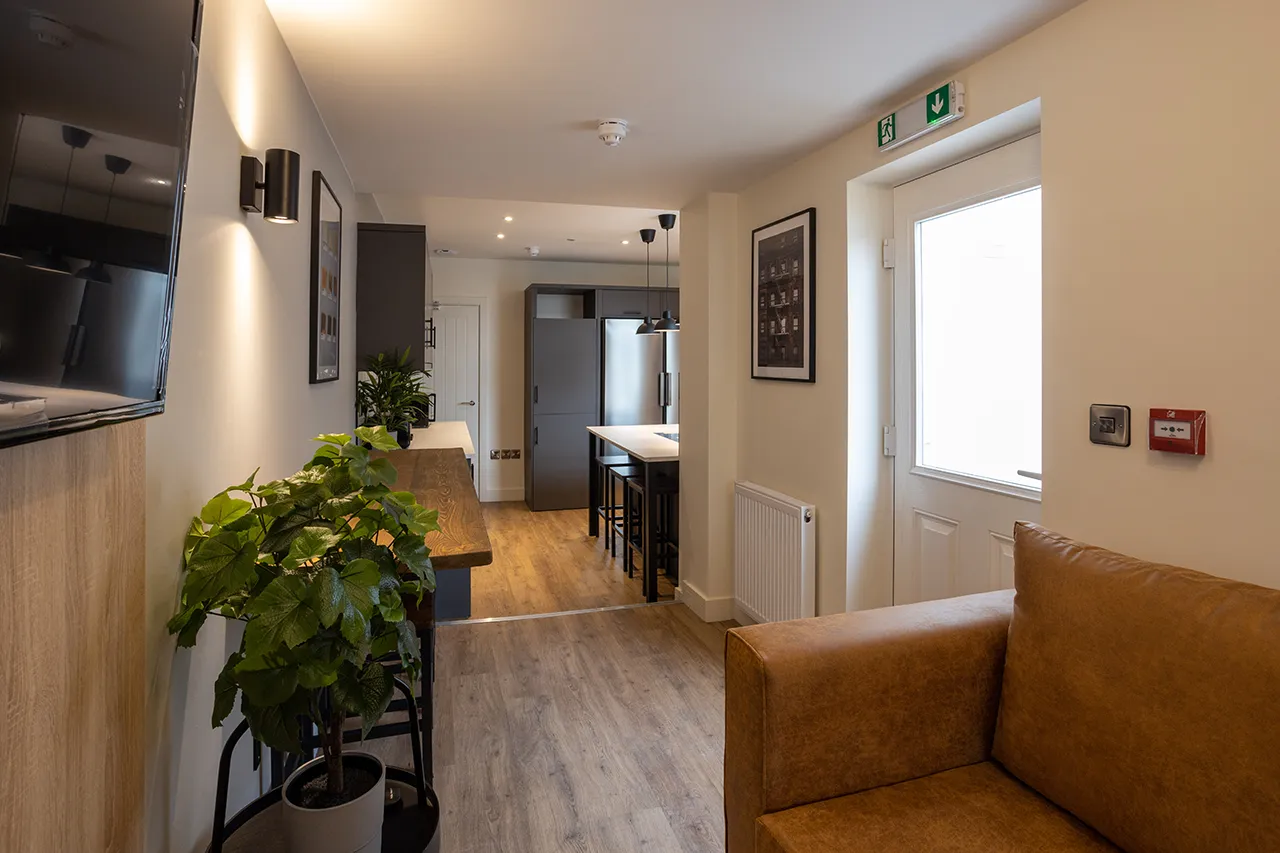
Keep Comprehensive Records of Tenant Interactions
Good record-keeping is your best protection should a dispute need to be resolved legally. Document every interaction with tenants—whether it’s a maintenance request, complaint, or warning about behaviour.
Keep copies of emails, texts, photographs, or written statements as evidence of any issues that arise. This documentation will be invaluable if the situation escalates and you need to take legal action, such as eviction.

Landlord’s Approach to Disputes in Kent’s Rental Market
Investing in property in Kent is an excellent way to build long-term wealth, but it’s not without its challenges. Tenant disputes are inevitable, but with the right strategies in place, you can manage them effectively and ensure that your rental business runs smoothly. By focusing on thorough tenant vetting, clear communication, and proper documentation, you can significantly reduce the risk of disputes and maintain a profitable property portfolio.
If you’re an HMO or single-let landlord in Kent looking for more advice on managing tenant disputes or need assistance with property management, don’t hesitate to get in touch. At Pineapple Living, we specialise in helping landlords like you navigate the complexities of property management in Kent.
